

Myopia Management at New Garden Eye Care and Eyewear Gallery
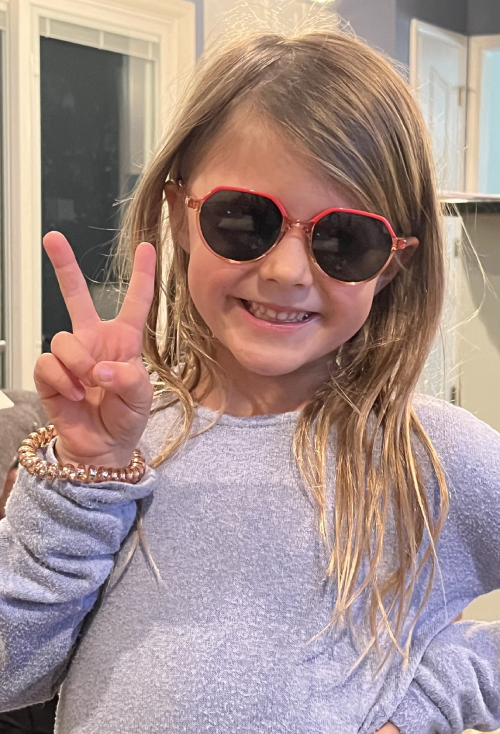
At New Garden Eye Care, we pride ourselves on staying at the cutting edge of care for all our patients — but when it comes to children’s eye health, this topic is especially near and dear to our hearts. All three doctors at New Garden Eye Care have young children, and we’re deeply passionate about protecting kids’ vision and long-term eye health.
Understanding Myopia (Nearsightedness)
Myopia, or nearsightedness, means that distant objects appear blurry while near objects remain clear. This happens because the eyeball becomes too long, causing light to focus in front of the retina instead of directly on it. Over time, that elongation (called axial lengthening) makes the prescription stronger and vision worse.
The Growing Myopia Epidemic
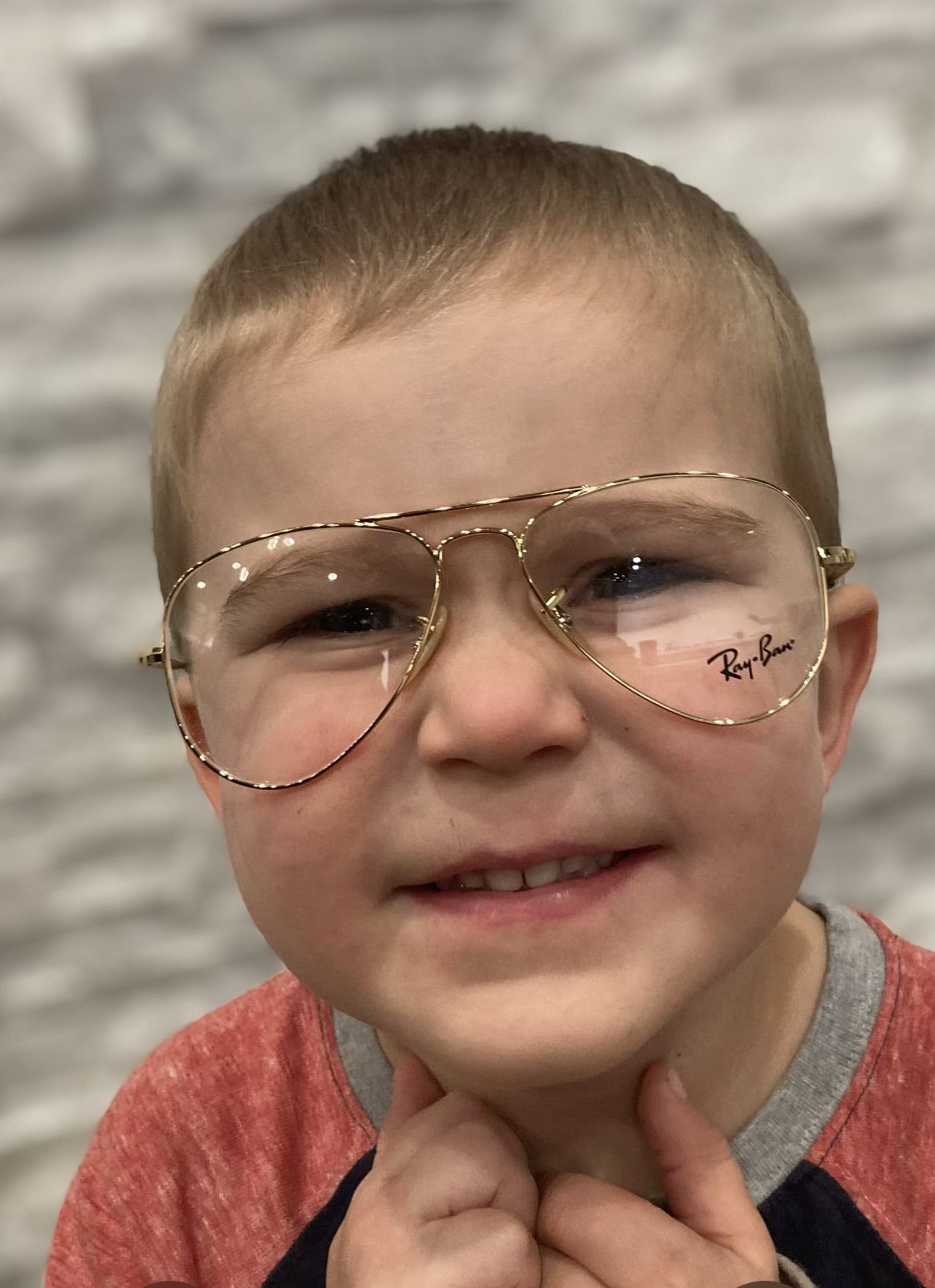
Myopia has become one of the fastest-growing vision problems in the world — especially among children.
Studies show that the global rate of myopia in children has increased from about 24% in 1990 to nearly 36% in 2023.
By 2050, experts project that half of the world’s population — nearly 5 billion people — will be nearsighted, including over 700 million children.
The concern isn’t just that more kids need glasses. High levels of myopia dramatically increase the risk for serious, lifelong eye diseases such as myopic macular degeneration, retinal detachment, and glaucoma.
Why Myopia Happens
Two major environmental factors are driving this epidemic:
Too much screen time and near work — excessive time on tablets, computers, and phones keeps children’s eyes constantly focused at close range.
Not enough time outdoors — sunlight exposure and distance-viewing play an essential role in healthy eye growth and development.
Together, these factors are reshaping how kids see the world — literally.
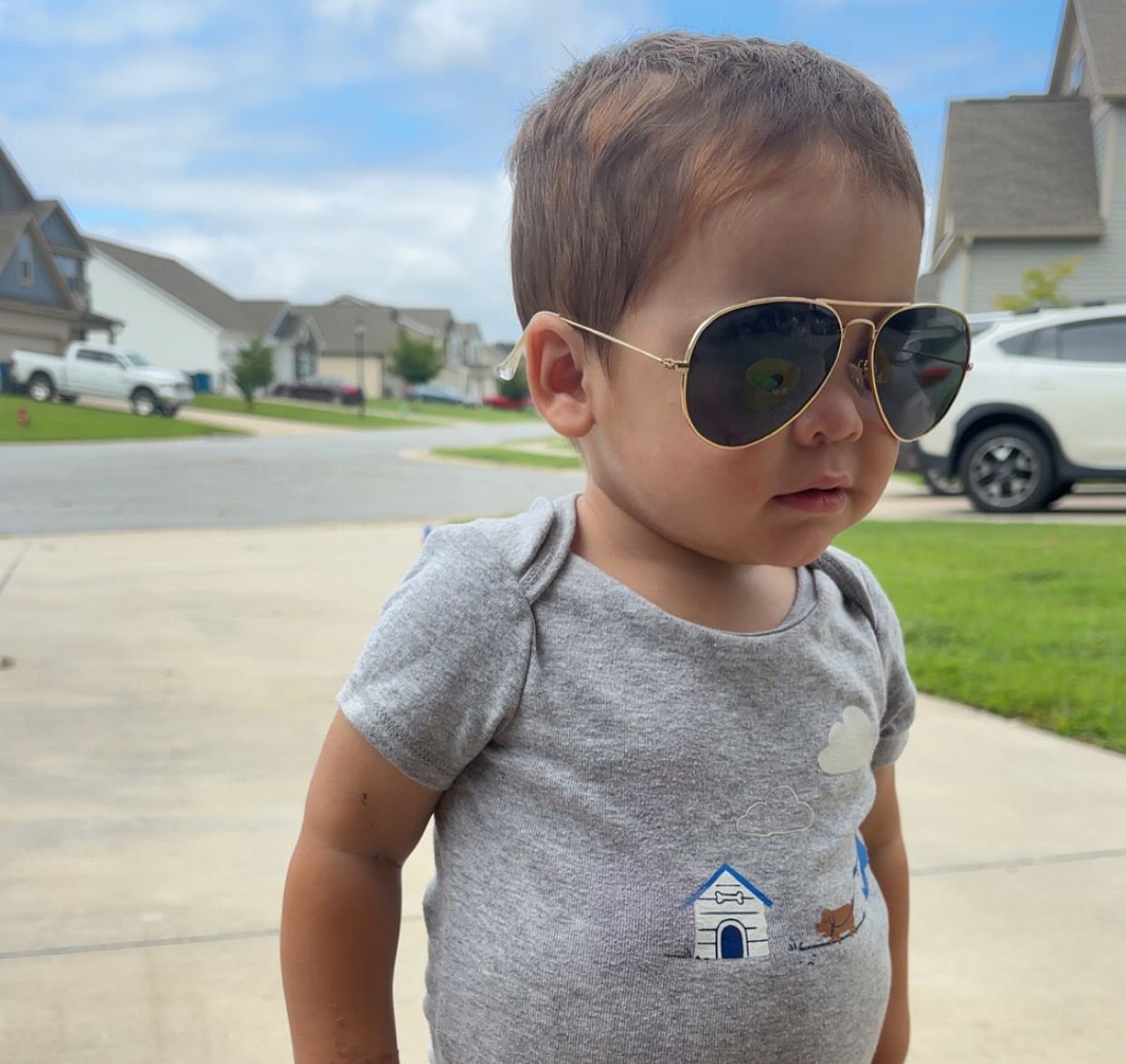
Our #1 Recommendation: Get Kids Outside
The single most important thing parents can do right now is simple:
Encourage your child to spend more time outdoors and limit screen time as much as possible.
Natural daylight and focusing at a distance help protect developing eyes and slow down the onset of myopia.
Comprehensive Myopia Management at New Garden Eye Care
Beyond lifestyle changes, we’re proud to offer all four scientifically proven treatments to help slow the progression of myopia in children.
1. MiSight® 1 Day Contact Lenses
The only FDA-approved soft contact lens proven to slow the progression of myopia in children (studied in ages 8–12). These daily disposable lenses are comfortable, safe, and designed specifically for young wearers.
2. Stellest™ Spectacle Lenses
We’re thrilled to announce that we are implementing the Stellest lens by EssilorLuxottica — the first spectacle lens approved in the U.S. to control myopia. Stellest lenses use advanced optical technology to help slow eye growth and protect long-term vision health.
3. Orthokeratology (Ortho-K)
A custom-fit hard contact lens worn overnight that gently reshapes the front surface of the eye while you sleep, providing clear vision during the day and helping to slow down the progression of myopia. Dr. Charlotte Ablott actually currently uses this technique personally. This process reshapes the front of the eye so that even though she is generally near-sighted, she is able to spend her entire day with a visual acuity of 20/15 without the use of any corrective devices.
4. Low-Dose Atropine Eye Drops
A nightly eye drop that has been clinically shown to reduce the rate of eyeball elongation and slow myopia progression in children.
All three doctors at New Garden Eye Care are certified to provide myopia management with MiSight contact lenses and Stellest spectacle lenses, in addition to offering Ortho-K and low-dose atropine therapy.
Why It Matters
Slowing down the progression of myopia does more than reduce how thick your child’s glasses will be as they grow up — it can help protect their vision for a lifetime.
Lower prescriptions mean clearer, more manageable vision.
Reduced risk of disease: Less elongation of the eye means less risk for retinal detachment, macular degeneration, and glaucoma later in life.
Take the First Step Today
At New Garden Eye Care, we believe proactive care today leads to healthier eyes tomorrow. During your child’s myopia management consultation, we’ll measure eye growth, assess lifestyle factors, and design a customized treatment plan using the latest technology.
Call us today to schedule your child’s appointment and find out if myopia management, MiSight, or Stellest lenses are right for them.
Together, we can protect your child’s vision — for life.

All Eye
Care Services

Keep
In Touch
MAP
© 2026 New Garden Eye Care & Eyewear Gallery. All Rights Reserved.
Accessibility Statement - Privacy Policy - Sitemap
Accessibility Statement - Privacy Policy - Sitemap
Powered by: 